
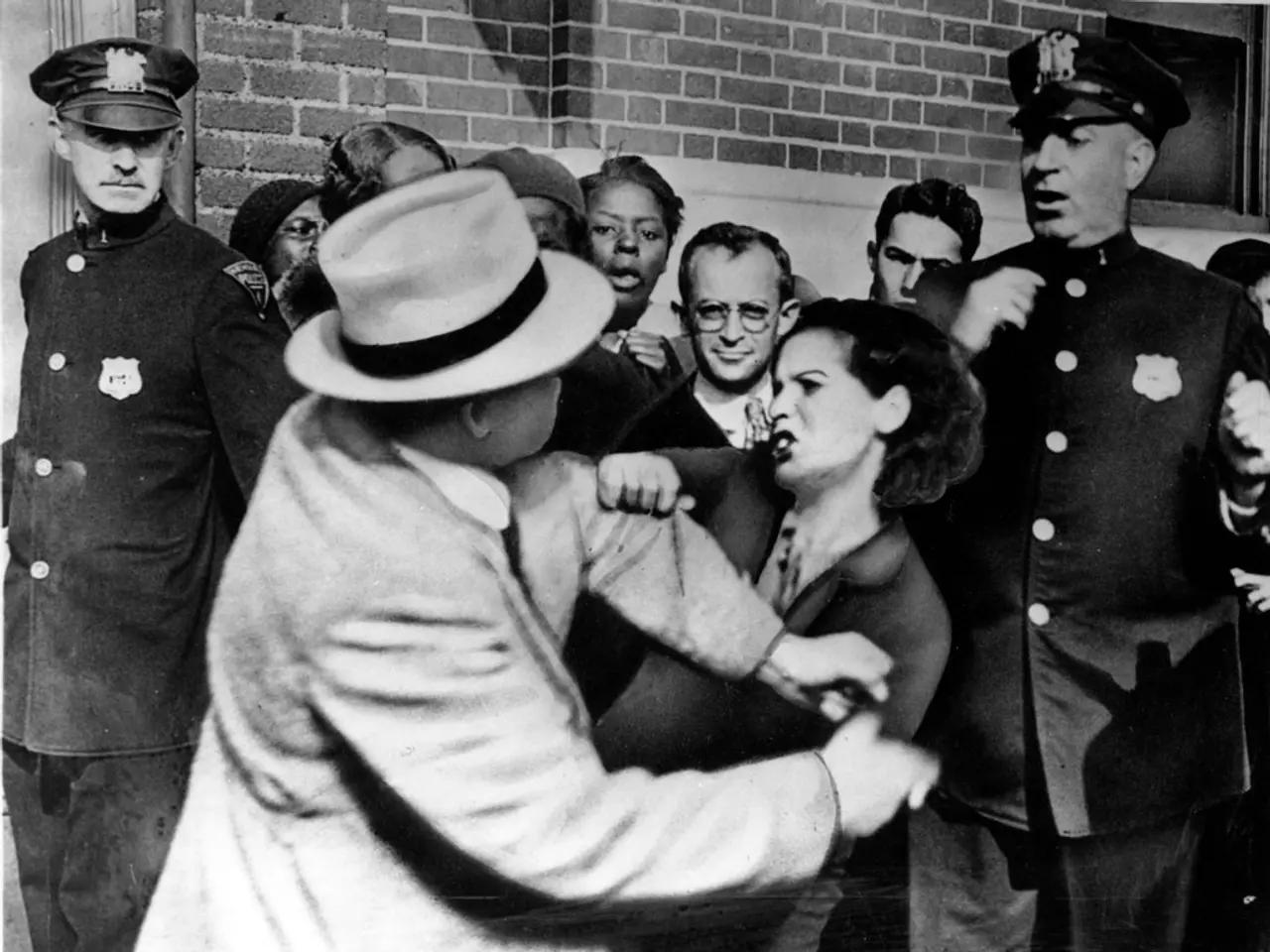
Strategies for Managing Political Aggression
In the realm of politics, aggression can often be perceived as a necessary trait, with leaders admired for their assertiveness and ability to get things done. However, it's crucial to manage this aggression effectively to make fair decisions and maintain trust.
Aggression, when channelled into focused advocacy, emotional appeal, or righteous indignation, can be a powerful tool. But when it escalates and leads to forceful or coercive policies or actions, it can become destructive and negatively impact a leader's effectiveness.
So, how can political leaders manage their aggression?
Recognize and Acknowledge Rising Anger
Leaders should stop and openly acknowledge feelings of anger or frustration with their team in subtle ways to prevent irrational outbursts and give others the chance to adjust their behavior or performance. This cultivates fairness and clarity rather than being “nice” to avoid conflict.
Develop Emotional Intelligence
Critical components of emotional intelligence (EI) involve self-awareness (knowing your emotional state and its causes), self-regulation (controlling impulses and responding thoughtfully rather than reacting emotionally), motivation, empathy, and social skills. Mastery of these reduces escalation and promotes respectful and productive interactions.
Practice Stress-Reduction Techniques
Political leaders can benefit from mindfulness, meditation, structured breathing exercises, and possibly professional therapeutic support such as Cognitive Behavioral Therapy (CBT) to manage underlying political anxiety that can fuel aggression.
Communicate Clearly and Firmly
Being fair and firm, rather than aiming simply to appear “nice,” helps set boundaries and expectations, fostering respect and reducing frustration buildup.
Maintain Balanced Information Intake
Limiting exposure to highly stressful or sensationalist political news can reduce emotional triggers tied to aggression.
Seek Support and Help When Necessary
Seeking support from trusted advisors, including other political leaders, mental health professionals, or personal relationships, can be beneficial for political leaders. Executive coaches, therapists, or leadership consultants can work privately with leaders to develop better behavioral responses. Media training can equip leaders with communication strategies that reduce combative responses during interviews or debates.
Establish Healthy Communication Habits
Practicing mindfulness and self-reflection can help political leaders better understand their emotional triggers and prepare for managing them. Establishing healthy communication habits such as avoiding escalating arguments, not using insults, and being willing to listen to opposing views with respect and understanding is important.
Together, these strategies enable political leaders to maintain self-control, fairness, and composure, which are crucial for effective leadership and preventing destructive expressions of aggression.
While the strategies discussed here are broadly applicable, it's important to note that managing aggression specifically when engaged in political conflict zones (such as grey zone hostility) requires different approaches, focusing more on structural strategic responses. However, emotional and communication strategies remain applicable irrespective of context.
- Political leaders should acknowledge rising anger openly with their team to prevent irrational outbursts, promoting fairness and clarity.
- Developing emotional intelligence can help manage aggression, reducing escalation and promoting respectful interactions.
- Leaders can benefit from stress-reduction techniques such as mindfulness, meditation, structured breathing exercises, or professional therapeutic support.
- Clear and firm communication fosters respect, reduces frustration buildup, and sets boundaries effectively.
- Maintaining a balanced intake of information and seeking support from trusted advisors and professionals can reduce emotional triggers tied to aggression.