
Steep cost escalations observed
In the heart of North Rhine-Westphalia lies the city of Neuss, offering a rich tapestry of social developments, culinary arts, and art and culture. For those interested in staying informed about the city's latest happenings, a free newsletter is available, providing detailed updates.
However, the past two years have seen a significant increase in energy and food prices across North Rhine-Westphalia. This surge can primarily be attributed to global and regional factors impacting supply chains, energy markets, and inflation dynamics during this period.
Pandemic-related disruptions severely affected global supply chains, labor availability, and production capacity, leading to reduced supply and higher prices for many goods, including food and energy. Energy market volatility also played a significant role, with gasoline and heating energy prices increasing notably due to supply constraints and geopolitical tensions influencing crude oil and gas prices. European energy markets faced pressures from low inventories and supply bottlenecks, driving up costs.
Inflationary pressures across Germany and North Rhine-Westphalia also contributed to the price hike. Consumer price indexes for North Rhine-Westphalia showed a marked year-on-year increase during that time, reflecting rising costs of transportation, raw materials, and foodstuffs.
Additional regional factors, such as agricultural challenges, policy responses, and shifting demand patterns from post-lockdown effects, may have also influenced prices.
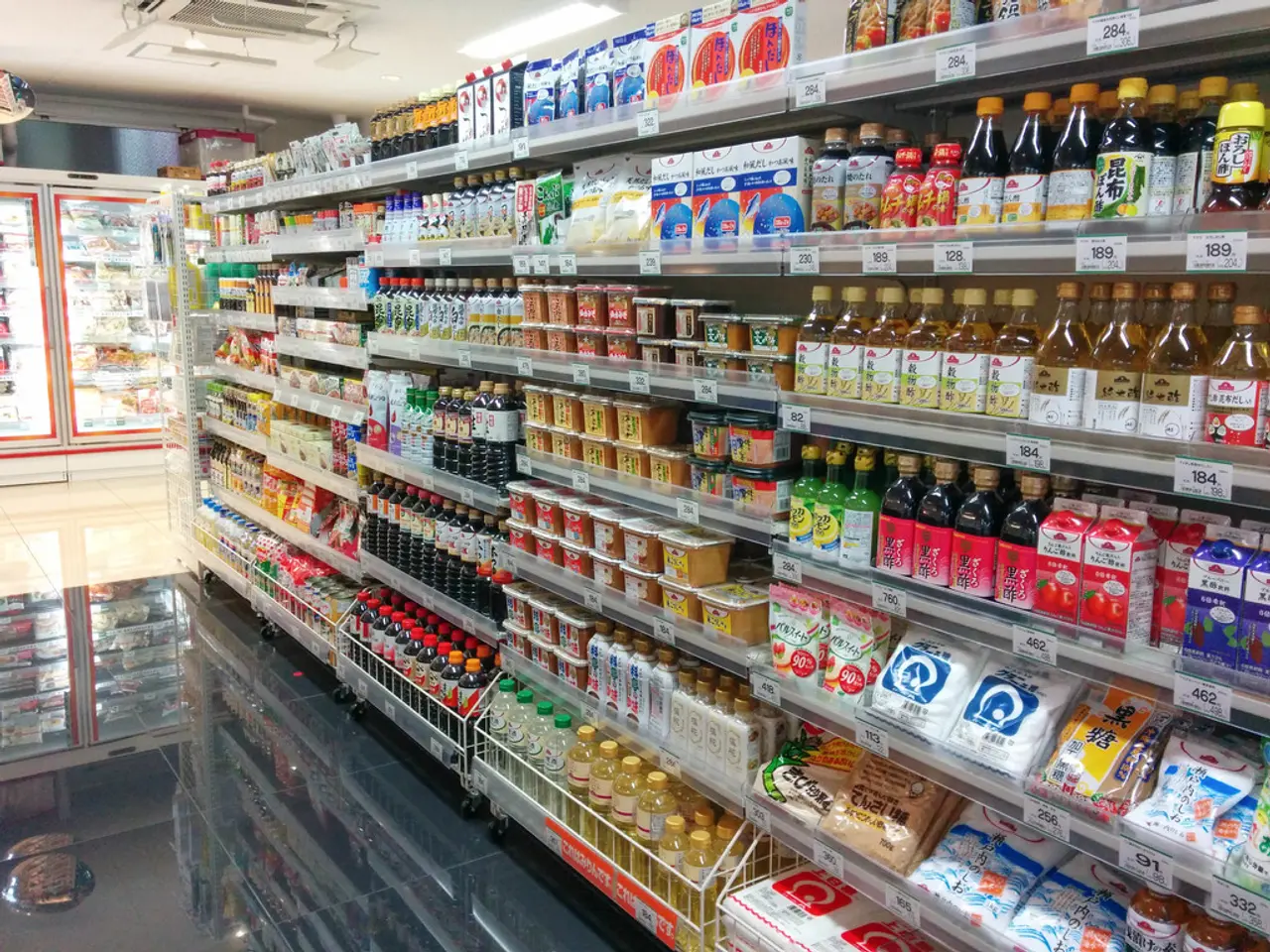
Energy prices in North Rhine-Westphalia were 24.6% higher in February 2022 compared to two years prior (February 2020). Private consumers have faced even higher price increases for heating oil and fuels (+34.1%). Prices for edible fats and oils have risen by 15.7%, while vegetables have increased by 10.3%. Fortunately, the smallest price increase was recorded for confectionery such as sugar, jam, and honey (+2.6%).
Consumer prices as a whole have increased by 6.7% over the last 24 months in North Rhine-Westphalia. It's worth noting that the temporary VAT reduction between July and December 2020 may have influenced the development of consumer prices, but its exact influence cannot be quantified due to simultaneous effects like CO2 pricing.
Subscribing to the Neuss newsletter is free of charge and can be done for updates on the city's social developments, culinary arts, art, and culture. To confirm your subscription, please check your inbox or spam folder. Further details about the newsletter's privacy policy are available.
[1] Source: Statista (2022). Gasoline prices in Germany 2010-2022. https://www.statista.com/statistics/271478/average-price-of-gasoline-in-germany/ [2] Source: Statista (2022). Unemployment rate in Germany 2010-2022. https://www.statista.com/statistics/271476/unemployment-rate-in-germany/
- Amid the escalating costs of living in North Rhine-Westphalia, it's crucial to stay informed about changes in finance, such as the surge in energy and food prices. Understanding these trends can help individuals make informed decisions regarding their budgets.
- In addition to staying updated on the city's cultural events, it might be beneficial for residents of Neuss to keep a close eye on finance-related matters, particularly the fluctuations in energy and food prices, to navigate the current economic challenges effectively.




