
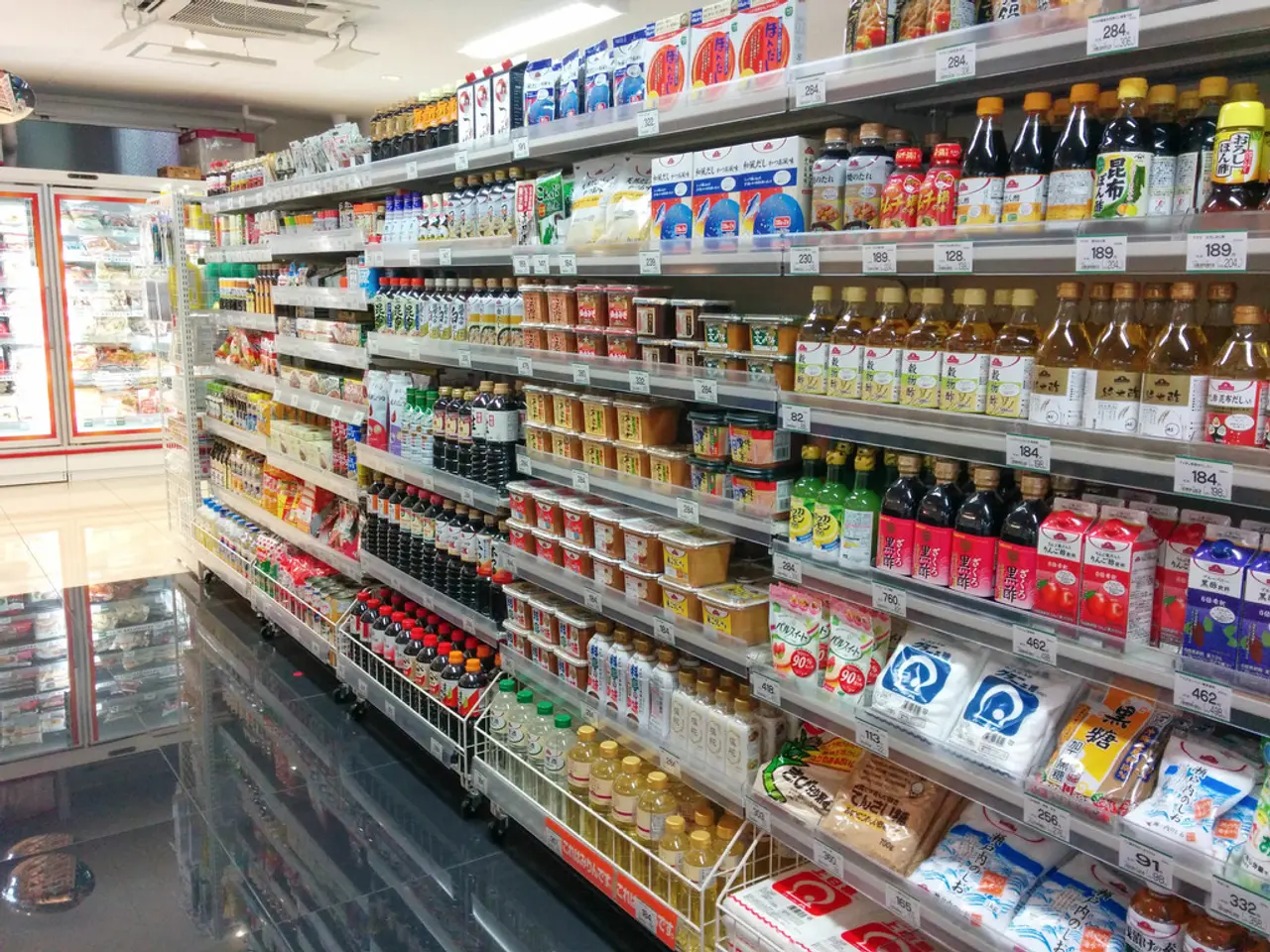
Impact of Inflation on Commercial Enterprises
**Headline:** Navigating Inflation's Impact on Small Businesses: Strategies for Resilience
**Subhead:** Inflation poses unique challenges to small businesses, but proactive measures can help mitigate its effects.
Inflation, currently at an 8.6% annual rate, poses a significant challenge to small businesses, driving up operational costs and straining cash flow. The higher costs of raw materials, labor, transportation, and other essential business inputs can erode already thin profit margins, making it difficult for small businesses to cover day-to-day expenses or invest in growth.
Higher costs mean more money is needed to purchase the same goods and services, straining working capital and making it harder to cover day-to-day expenses or invest in growth. This can lead to longer payment cycles, delayed investments, and operational bottlenecks.
Small businesses often must choose between absorbing cost increases—which reduces profitability—or passing them on to customers via price hikes. However, raising prices risks losing customers to competitors or to less expensive alternatives, especially in price-sensitive markets. The loss of pricing power complicates revenue stability.
Inflation can disrupt supply chains, increasing costs and delays for imported goods and materials, further complicating inventory management and customer satisfaction.
Ongoing inflation introduces volatility, making it difficult to forecast costs, set prices, and plan for the future. This uncertainty can lead to more conservative, less innovative business decisions that might stifle growth.
## Strategies for Mitigating Inflation’s Impact
To combat these challenges, small business owners can employ a variety of strategies.
**Cost Control and Efficiency:** Renegotiate supplier contracts to secure better terms, discounts, or longer-term pricing agreements. Cut non-essential expenses and streamline workflows to reduce waste and improve productivity. Switch to local or regional suppliers to minimize transportation and logistics costs, reducing exposure to volatile international freight rates. Review and adjust budgets frequently to stay responsive to changing cost structures.
**Pricing Adjustments:** Make gradual, precise price increases rather than large, sudden hikes, to minimize customer attrition. Involve cross-functional teams (finance, operations, customer service) in pricing decisions to balance profitability with customer retention. Regularly reevaluate break-even analyses to understand how much costs can rise before price adjustments become necessary.
**Cash Flow Management:** Speed up receivables by tightening credit terms or offering early payment discounts. Delay non-urgent expenditures to preserve cash for essential operations. Monitor cash flow daily using digital tools to maintain real-time visibility into financial health.
**Diversify Financing:** Explore diverse financing options such as SBA loans, lines of credit, working capital advances, and equipment financing to maintain liquidity. Maintain good credit to access better terms and interest rates on loans and other funding sources.
**Leverage Technology:** Automate repetitive tasks to reduce labor costs and increase efficiency. Use digital inventory and expense tracking tools to optimize ordering and avoid over- or under-stocking. Adopt customer relationship management (CRM) tools to retain customers and detect early signs of churn.
In conclusion, inflation places significant pressure on small businesses through higher costs, cash flow strain, pricing complexity, and planning uncertainty. However, proactive strategies—including cost control, careful pricing, robust cash flow management, diversified financing, and digital transformation—can help small business owners mitigate these risks and maintain resilience in challenging economic conditions.
Not all businesses are equally affected by inflation; those that can pass on higher costs to consumers through raising prices are less likely to be adversely affected. Higher employee wages are a common result of inflation, which puts pressure on businesses and can lead to a decrease in profitability. Inflation can create shortages of raw materials as businesses seek to source them at the lowest possible cost.
- To maintain resilience for small businesses during inflation, strategies like cost control and efficiency, careful pricing adjustments, robust cash flow management, diversified financing, and leveraging technology can help mitigate the impact of rising costs and strained cash flow.
- Businesses that can pass on higher costs through price hikes may be less affected by inflation, but the loss of pricing power complicates revenue stability and can lead to customer attrition in price-sensitive markets.




