
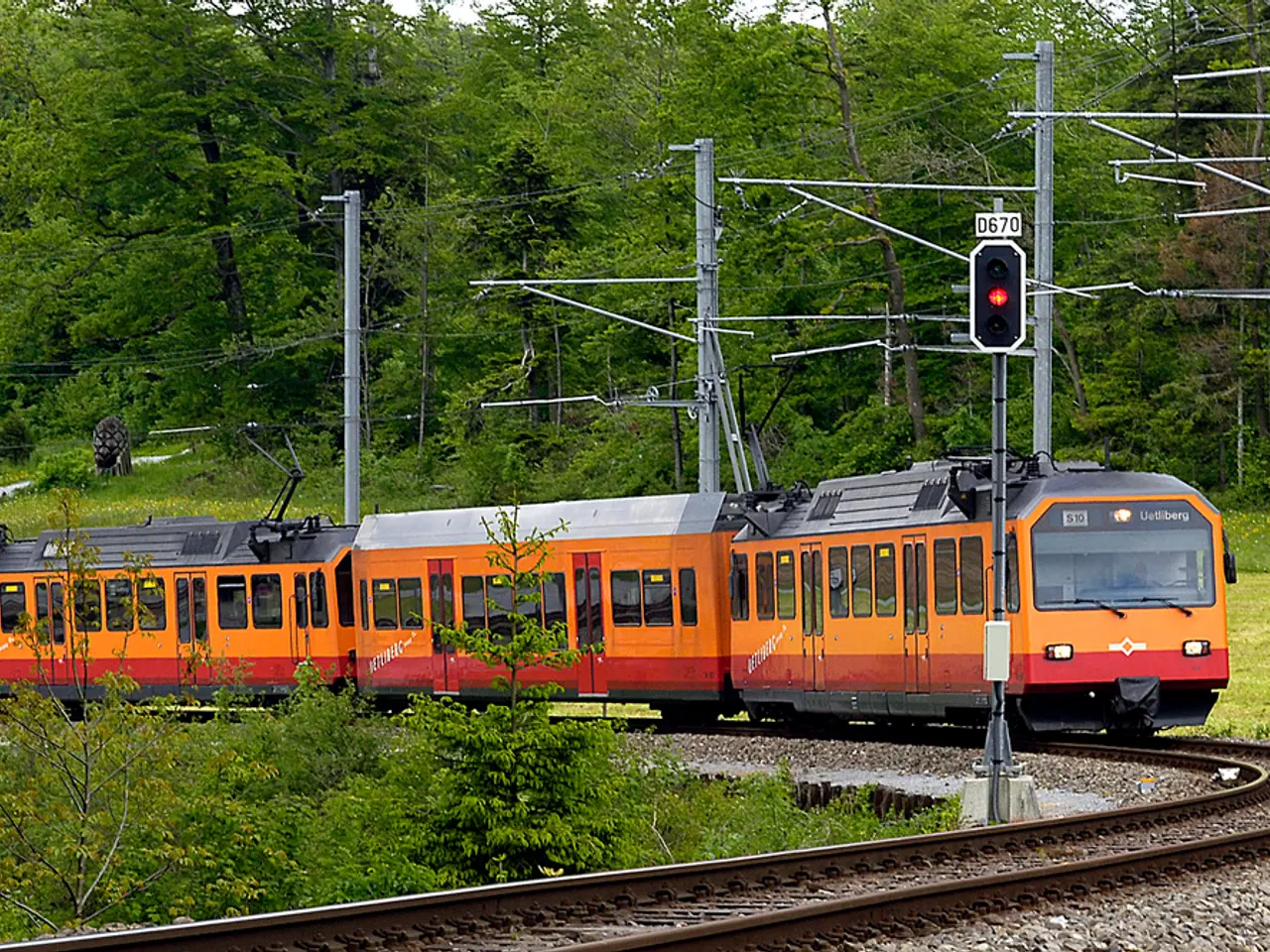
Hydrogen-Powered Train Makes Indian Debut: Why this Significant Event Stands Out
India has taken a significant step forward in its pursuit of cleaner and more sustainable railway systems, successfully testing its first hydrogen-powered train coach at the Integral Coach Factory (ICF) in Chennai in July 2025.
The tested Driving Power Car, equipped with a 1,200 horsepower (HP) hydrogen fuel cell engine, is a significant advancement in India's rail transport sector. This makes it the world's most powerful hydrogen propulsion system developed for rail transport so far.
The successful test marks India's entry into the select group of nations using hydrogen for rail transport, positioning the country among global leaders in hydrogen train technology. Railway Minister Ashwini Vaishnaw confirmed the successful test and posted about it on social media.
Key developments and future plans include the deployment of 35 hydrogen-powered trains under the “Hydrogen for Heritage” initiative. These trains will be focused on heritage and hill routes across the country, aiming to enhance sustainable transport on scenic and ecologically sensitive routes.
The Ministry of Railways has allocated approximately ₹2,800 crore for developing these 35 hydrogen fuel cell trains, alongside ₹70 crore for infrastructure per route to support hydrogen refueling and maintenance.
Indian Railways has also started a pilot to retrofit an existing Diesel Electric Multiple Unit (DEMU) with a hydrogen fuel cell system, to operate on the Jind–Sonipat section of Northern Railway. This pilot project, costing around ₹111.83 crore including ground infrastructure, is a testament to India's commitment to transitioning from hydrogen train concept to practical deployment.
Hydrogen trains emit zero carbon emissions, producing only water and heat as byproducts. This technology aligns with India’s broader green energy transition and the National Green Hydrogen Mission, aiming to reduce pollution and dependence on fossil fuels in rail transport.
The initial running cost of hydrogen trains may be high but is expected to decrease over time as the technology matures and economies of scale are realised. This initiative is part of a wider national strategy to adopt hydrogen as a clean energy source across transportation sectors.
In summary, India is currently transitioning rapidly from hydrogen train concept to practical deployment, with plans to operate a fleet of 35 hydrogen trains on special routes, enhancing green mobility in the rail sector while investing heavily in necessary infrastructure. This move aims to promote green transport and support India's zero carbon emission goals through clean hydrogen energy.
The test of India's hydrogen-powered train coach has sparked collaboration between the rail transport sector and other industries such as finance, as the Ministry of Railways has allocated a substantial sum for the development and deployment of these green trains. Furthermore, the successful integration of hydrogen technology in transport systems could potentially attract investments from the finance sector, particularly those interested in sustainable projects, and position India as a pioneer in technology-driven, sustainable transportation solutions globally.