
Essential Car Insurances Every Driver Ought to Understand: A Breakdown of Insurance Policies Every Motorist Should Be Aware Of
Navigating the intricacies of car insurance is crucial for protecting your vehicle and wallet in case of unexpected accidents. Here's a rundown of the vital insurance types you should be aware of when purchasing or updating your car insurance policy.
Coverage Types
- Liability Insurance
- Purpose: Provides financial coverage for damages or injuries to others in the event of an accident where you are at fault.
- Coverage: Includes bodily injury coverage and property damage coverage—paying for injured parties' medical bills, lost wages, and repair costs for the other driver's vehicle.
- Requirement: Mandatory in most states.
- Collision Insurance
- Purpose: Covers damage to your vehicle if it collides with another vehicle or object, regardless of fault.
- Coverage: Repairs or replaces your vehicle in the event of a crash, rollover, or impact with an object.
- Requirement: Optional but typically required by lenders for financed vehicles.
- Comprehensive Insurance
- Purpose: Protects your vehicle from incidents other than collisions, such as theft, vandalism, fires, animal collisions, and natural disasters.
- Coverage: Repairs, and in some cases, replaces your vehicle if stolen or damaged by non-collision events.
- Requirement: Optional but often required by lenders for financed vehicles.
- Uninsured and Underinsured Motorist Coverage (UM/UIM)
- Purpose: Secures you if involved in an accident with someone who doesn't have insurance or doesn't have enough insurance to cover your damages.
- Coverage: Provides medical expenses and property damage coverage in such situations.
- Requirement: Required in most states.
- Medical Payments Insurance (MedPay)
- Purpose: Covers medical expenses for you and your passengers after an accident, regardless of fault.
- Coverage: Offers medical coverage without requiring a deductible and often has lower premiums than PIP.
- Requirement: Optional in most states but required in some.
- Personal Injury Protection (PIP)
- Purpose: Offers comprehensive coverage for medical expenses, lost wages, and other related costs for you and your passengers following an accident, regardless of fault.
- Coverage: Extends beyond MedPay, typically including lost wages and rehabilitation costs.
- Requirement: Required in no-fault states.
- Gap Insurance
- Purpose: Cover the difference between your vehicle's actual cash value and the outstanding loan or lease balance if your car is totaled.
- Coverage: Prevents financial loss if your vehicle is worth less than the amount owed.
- Requirement: Optional, but recommended for financed vehicles.
- Rental Reimbursement Insurance
- Purpose: Covers the cost of a rental car while your vehicle is being repaired after an accident.
- Coverage: Offers temporary transportation.
- Requirement: Optional.
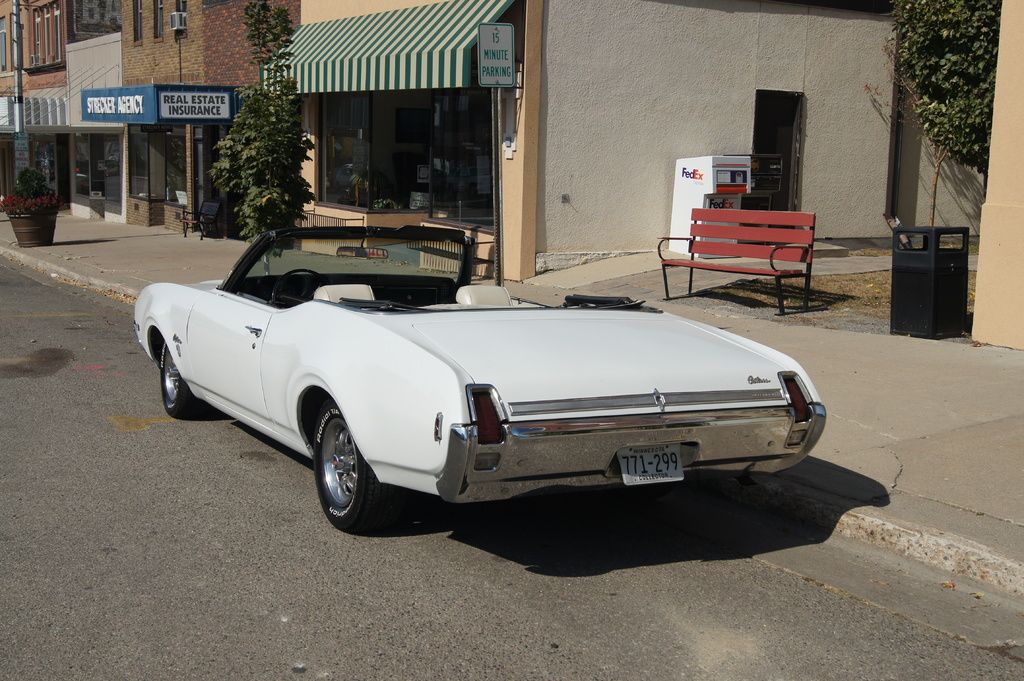
- Classic Car Insurance
- Purpose: Specialized insurance for vintage or collectible vehicles, often with strict usage and mileage limits.
- Coverage: Tailored to the vehicle’s unique value and usage.
- Requirement: Optional.
- Rideshare Insurance
- Purpose: Covers drivers who work for ride-sharing companies, providing additional coverage during the period between accepting a ride request and the end of the ride.
- Coverage: Bridges the gap in coverage between personal insurance and the ride-sharing company's commercial insurance.
- Requirement: Optional for drivers, but often required by companies.
Optimize your car insurance coverage by understanding each type and its purpose, and carefully consider your driving habits, vehicle type, and financial situation to choose the right combination for you.
- To safeguard your vehicle and financial wellbeing in case of non-collision incidents like theft, vandalism, or natural disasters, it's advisable to opt for comprehensive insurance.
- In an age where technology plays a crucial role in our lives, considering technology-based amendments to your car insurance policy, such as rideshare insurance for shared economy drivers, makes practical sense.




