Disputes Arising Among Families Due to Contentious Inheritance Issues
A Guide to Avoiding Family Feuds Over Inheritance
Let's face it, nothing stirs up family drama faster than splitting up an inheritance. Sure, maybe sibling rivalry was a thing when you were kids, but it's an inheritance that breaks up families more than anything else. One minute, everyone's sharing childhood memories, the next? Well, someone's throwing around legal threats over a deceased loved one's dining table. Trust us, it happens more often than you'd think.
It's not about the money, either. It's about old grudges resurfacing, childhood rivalries being reignited, and everyone suddenly remembering who was the "favorite" growing up. Death just has a way of bringing the worst out in families. In a flash, logic goes out the window, and it's no longer about who gets what, but who deserves what more. The worst part? Most of this drama can be avoided with some simple planning.
The Misconception of a Will as a Magic Shield
People often believe that having a will guarantees a smooth inheritance process. Not quite. If a will is vague, outdated, or doesn't match expectations, chaos is sure to follow. Discovering what's in the will in real-time is like pouring gasoline on a fire. That's why so many inheritance disputes wind up in court — someone feels cheated, and the fight begins.
So, how can we avoid this? The key is to open communication. Nobody likes discussing inheritance, but avoiding the conversation only makes things worse. If a will exists, family members should have a general idea of what's in it to avoid any surprises that lead to lawsuits (there may be resentment, but that's not your problem).
Real Estate: Where It Gets Personally Ugly
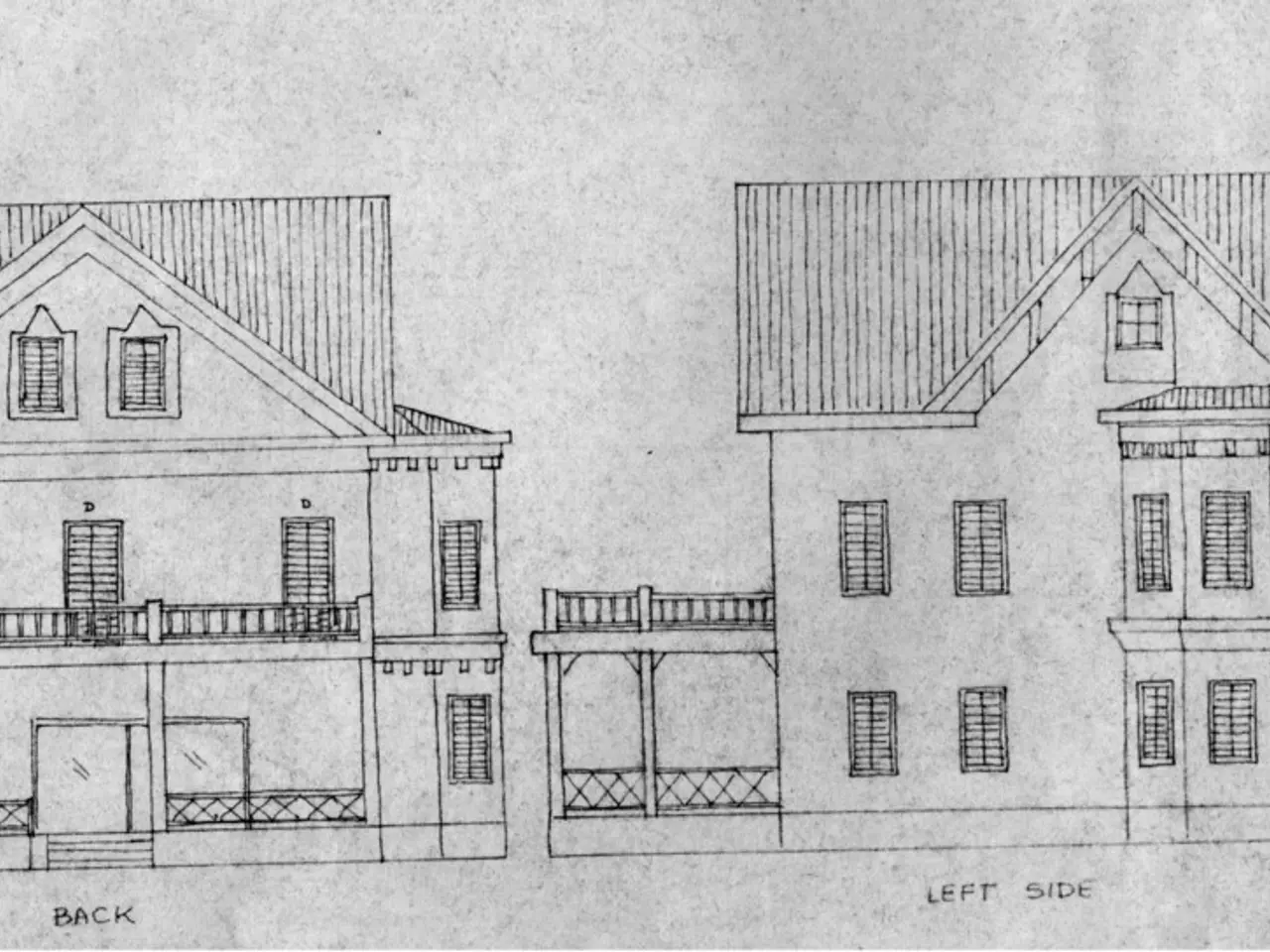
Money is one thing, but properties? That's a whole other story. Family homes carry memories, emotions, and a baggage full of sentimental value. Some family members will want to hold onto it forever, while others will want to sell it and split the profits. And if nothing is settled beforehand? That's how family feuds start.
But preparation can help reduce the drama before it even begins. One popular option many aging parents, grandparents, and spouses turn to is a quit claim deed. This legal document allows the property owner to transfer ownership ahead of time, eliminating room for disagreements later. This way, everything is settled when emotions are calm.
The Unreliability of Verbal Promises
Oh yes, it's true. Verbal agreements mean zilch. Every family has that one relative who swears they were promised something. "Grandpa said I'd get his car." "Aunt Linda said the ring was mine." And the list goes on. Well, these verbal commitments don't hold up in court.
In court, what matters is what's written down and legally documented. If it's not, it's just idle chatter. Avoid fueling family feuds by getting everything in writing.
Fostering Clarity and Minimizing Disputes
Open communication and proper legal documentation, such as a will, quit claim deed, and quit claim deed, play a crucial role in reducing inheritance-related family feuds by promoting clarity, managing expectations, and reducing misunderstandings. By fostering open communication and ensuring all agreements are legally binding, families can create a clear, enforceable framework for distributing assets, effectively decreasing the likelihood of inheritance-related battles.
Sources:
[1] Estate Planning & Elder Law, "Avoiding Family Fights Over Inheritance," Estate Planning & Elder Law, 2021[2] AARP, "How to Talk to Your Family About Your Will," AARP, 2019[3] Forbes, "The 6 Biggest Mistakes People Make When Writing Their Wills," Forbes, 2018[4] The Balance, "Communication Is Key to Avoiding Inheritance Disputes," The Balance, 2021[5] Nolo, "How to Transfer Real Property," Nolo, 2021
- Proper legal documentation, such as a will, quit claim deed, and clear communication, can help minimize disputes related to inheritance by promoting clarity, managing expectations, and reducing misunderstandings within the family.
- Family homes possess memories, emotions, and sentimental value, which can cause disagreements when it comes to deciding whether to hold onto or sell the property. A quit claim deed, which allows the property owner to transfer ownership ahead of time, can potentially eliminate room for such disagreements.
- Verbal agreements have no legal standing and should be avoided. Instead, all agreements regarding inheritance should be documented in writing to minimize potential family feuds and uncertainty in the distribution of assets.