
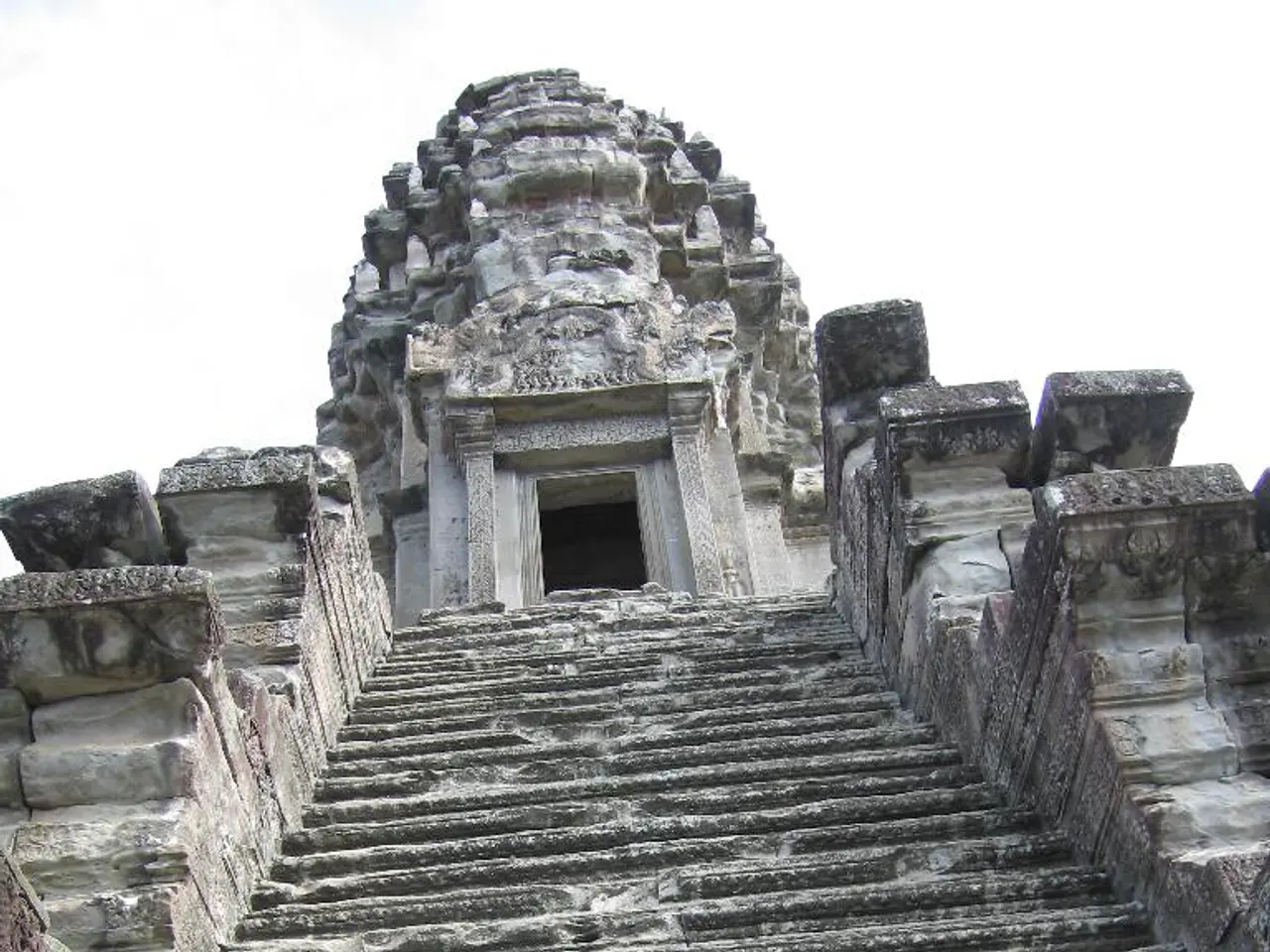
Controversy arises as proposed highway in Turkey's Lycian region raises concerns over potential damage to historical urban centers
In the picturesque region of southern Turkey, a proposed road project connecting Demre, Kaş, and Kalkan has sparked controversy due to its potential to cause irreversible damage to ancient Lycian heritage sites and the surrounding environment. The proposed route cuts through an area that includes 11 registered archaeological sites and 9 conservation zones, including Lycian tombs, ancient water systems, and sacred landscapes dating back over 2,500 years.
Archaeologists, environmentalists, and local communities are strongly opposing the project, warning that construction involving blasting through the rocky terrain would destroy irreplaceable historical and cultural artifacts and violate laws protecting cultural and natural assets under the Turkish Constitution. The Archaeologists Association has highlighted that the project breaches national rules forbidding construction within first-degree archaeological sites except for scientific research.
The controversy has involved legal challenges, with courts overturning initial decisions that dismissed the need for Environmental Impact Assessments (EIAs). After public outcry, sections of the project were temporarily withdrawn from planning, but the final EIA was approved in 2023 for parts of the route including Demre, Kaş, and Kalkan. Despite ongoing protests, authorities appear to be moving forward, prompting calls from conservation groups for urgent intervention to prevent permanent loss of this world heritage.
The proposed project threatens approximately 1.2 million square meters of farmland, 600,000 square meters of forest, and over 430,000 square meters of olive groves, putting over 66,000 trees at risk in the area. Critics argue that building tunnels and viaducts over or under first-degree archaeological zones would cause environmental and visual damage, undermine the integrity of cultural landscapes, and be a scientifically indefensible decision.
Local village and neighborhood heads have expressed their opposition, calling instead for upgrades to the existing road network. Tuncay Koc, a lawyer representing local plaintiffs, has briefed a court-appointed expert panel on the potential irreversible damage the project could cause. In one lawsuit, 58 citizens from Demre argue that the road would devastate archaeological zones including the Lycian Way, a historic walking trail.
The final EIA report, approved by the Antalya Regional Board for Cultural Heritage Preservation in August 2023, includes several significant ancient sites, such as Myra, Sura, and Hoyran. Despite the legal battle and growing opposition, authorities have pushed ahead with the plan, which would replace or expand existing roads rather than improve them.
In July 2025, a site inspection by a court-appointed expert panel took place, starting at the ancient water channels of Myra and ending at Hoyran's necropolis and wells. The project's potential social and ecological impacts are significant, as it would still run from Beymelek Port to Kalkan, affecting various areas.
The controversy around the planned highway project in southern Turkey underscores the importance of preserving the unique archaeological and natural landscape of the region, with significant consequences for both local cultural history and global heritage preservation. Critics argue it must be halted to protect the ancient Lycian sites and the environment before irreversible harm occurs.
- The proposed road project connecting Demre, Kaş, and Kalkan in Turkey has spurred debate in the realm of environmental science, as it threatens over 1.2 million square meters of farmland, 600,000 square meters of forest, and more than 430,000 square meters of olive groves.
- The Archaeologists Association in Turkey has argued that the project violates national rules for scientific research, particularly within first-degree archaeological sites, as it breaches regulations forbidding construction.
- The Transportation sector seems to be moving forward with this controversial project despite strong opposition from various groups, including local communities, environmentalists, and archaeologists. Financial implications associated with ongoing legal challenges have not deterred authorities from pushing ahead with the plan.
- The proposed highway project has garnered widespread attention due to its potential to cause irreversible damage to environmental and cultural artifacts, as well as unique ancient Lycian heritage sites, prompting calls for intervention from conservation groups and international organizations such as NATO and Turkiye.




